DocRide connects risk assessments and method statements to real work activities, live metrics, inspections, and continual improvement — so RAMS stay operational, not filed away.
Example: how a RAMS hero looks inside DocRide
Risk Ownership
James Wilson
Since 31 Aug 2026
RAMS
Fire Stopping and Compartmentation Reinstatement
FBPPK743
Draft — no approved version yet
Risk Profile
High Risk
Assessment date31 Aug 2026
SiteThames Height
RAMS stands for Risk Assessment and Method Statement. In UK construction and high-risk work, RAMS are how organisations identify hazards, define controls, and explain how a task will be carried out safely — before work begins.
The hero above is the same structure users see on every RAMS in DocRide: risk ownership, activity title, live risk profile, readiness checks, and approval — all in one connected view.
Static documents vs a live operational platform
Traditional static RAMS
Created once, filed away
Copied between projects
Disconnected from site activity
Updated only after incidents or audits
Hard to prove workers understood controls
DocRide live RAMS
Built from real work activities
Linked to hazards, controls and roles
Connected to inspections and competence
Revised when work or risk changes
Evidence trail for compliance and audits
With DocRide, RAMS are not a paperwork exercise — they are the operational agreement between employer and workers about how work stays safe.
How DocRide RAMS are structured
DocRide does not store RAMS as isolated files. Each RAMS is a connected record built around an actual work activity, with every safety element linked in one system.
Work activityRisk assessmentHazards & controlsMethod statementSite implementationContinual improvement
Activity-based risk assessment
RAMS start from how work is actually done — not generic templates. Hazards, risk levels, and control measures are specific to each task and site context.
Linked controls & responsibilities
Every control connects to a hazard. PPE, training, competence, equipment, and method steps are mapped to roles — so nothing important is missed or duplicated.
Method statements that workers use
Step-by-step safe methods of work are clear, practical, and tied to the same activity record — not buried in a separate document nobody reads.
Competence & training mapped
Competence requirements sit alongside the RAMS. When competence gaps appear, they surface in your command centre — not months later at an audit.
Inspections tied to controls
Compliance verification inspections check whether controls in the RAMS are actually in place on site — closing the gap between documentation and reality.
Living revision & evidence
When work changes, RAMS update with full change history. Incidents, audits, and inspection findings feed back into improvements — embedding the Plan–Do–Check–Act cycle.
What the RAMS hero tells you at a glance
Risk ownership — who is accountable for this activity
Risk profile — activity-level risk before and after controls
Controls assurance — confidence that controls are effective
Operational improvement — whether safety performance is improving
Readiness checks — hazards, method, competence, and emergency arrangements complete
Approval — who signed off the RAMS and when
Risk table
Below the hero, every RAMS includes a structured hazard matrix — the same table users work with inside DocRide, linking foreseeable risks, controls, and residual (ALARP) ratings.
RAMS table
1
Foreseeable Risks
Hazard Source
Likelihood (Pre)
Severity (Pre)
Risk Rating (Pre)
Risk Controls
Residual explanation (ALARP)
Likelihood (Post)
Severity (Post)
Risk Rating (Post)
Compromised fire compartmentation due to incorrect installation
Improper application or selection of fire-stopping materials
2
5
10
Use only approved and certified fire-stopping productsAdmin
Supervision and quality checks of completed installationsAdmin
Maintain records of materials used and installation datesAdmin
Residual explanation (ALARP)
Strict adherence to product specifications, training, and supervision ensures compartmentation integrity is maintained to ALARP.
Inhalation of dust and fibres from cutting/drilling and sealant application
Source:Dust and fibre particles generated during preparation of openings and application of fire-stopping materials
Pre-Risk
Likelihood3
Severity3
Risk Rating
9
Post-Risk
Likelihood2
Severity3
Risk Rating
6
Risk Controls
Local exhaust ventilation (LEV) on cutting toolsEngg.
Wet cutting methods where feasibleEngg.
Use of dustless cutting/drilling equipmentEngg.
Good housekeeping to minimise dust accumulationAdmin
Wear appropriate RPE (e.g., FFP2/FFP3 masks)PPE
Refer to the respective COSHH assessment for detailed exposure controls.Admin
Residual explanation (ALARP)
LEV, wet methods, and RPE significantly reduce dust exposure to ALARP levels.
Musculoskeletal injuries from manual handling of materials
Source:Lifting and carrying fire-stopping compounds, collars, wraps, and associated equipment
Pre-Risk
Likelihood3
Severity3
Risk Rating
9
Post-Risk
Likelihood2
Severity3
Risk Rating
6
Risk Controls
Assess manual handling tasks for riskAdmin
Use mechanical aids (e.g., trolleys, dollies) where practicableEngg.
Break down loads into smaller, manageable weightsAdmin
Ensure adequate space for movement and liftingAdmin
Provide manual handling trainingAdmin
Residual explanation (ALARP)
Risk assessment, use of aids, and training reduce manual handling risks to ALARP.
Cuts and lacerations from sharp edges of materials or tools
Source:Sharp edges of fire-rated compounds, collars, wraps, and cutting tools
Pre-Risk
Likelihood3
Severity2
Risk Rating
6
Post-Risk
Likelihood1
Severity2
Risk Rating
2
Risk Controls
Use of appropriate cut-resistant gloves (e.g., nitrile or leather)PPE
Careful handling of materials and toolsAdmin
Use of guards on cutting toolsEngg.
Ensure tools are in good condition and properly maintainedAdmin
Residual explanation (ALARP)
Gloves, careful handling, and well-maintained tools reduce the risk of cuts to ALARP.
Exposure to chemical irritants from sealants
Source:Fire-rated sealants and caulking compounds
Pre-Risk
Likelihood2
Severity3
Risk Rating
6
Post-Risk
Likelihood1
Severity3
Risk Rating
3
Risk Controls
Ensure adequate ventilation in confined spacesEngg.
Use appropriate gloves (chemical resistant)PPE
Avoid skin contact and inhalation of vapoursAdmin
Good personal hygiene practices (washing hands)Admin
Refer to the respective COSHH assessment for detailed exposure controls.Admin
Residual explanation (ALARP)
Ventilation, PPE, and good hygiene minimise exposure to chemical irritants to ALARP.
Eye injury from sealant splashes or dust
Source:Splashes from caulking guns or airborne dust particles
Pre-Risk
Likelihood2
Severity3
Risk Rating
6
Post-Risk
Likelihood1
Severity3
Risk Rating
3
Risk Controls
Wear safety glasses or goggles with side shieldsPPE
Use appropriate pressure settings on caulking gunsEngg.
Ensure good lighting conditionsAdmin
Maintain a safe distance from colleagues when applying materialsAdmin
Residual explanation (ALARP)
Eye protection and careful application techniques reduce the risk of eye injury to ALARP.
Understanding the risk table
The risk table is the core of every RAMS. Each row is one foreseeable risk for the work activity. You assess it before controls, define what you will do about it, then show the residual risk afterwards — with a clear ALARP justification. That is the same logic UK regulators and clients expect: identify, control, demonstrate residual risk is reasonably practicable.
Before controls
Foreseeable risks — The harm that could result from the activity (for example, a fall from height or contact with hazardous substances).
Hazard source — What could cause that harm: the situation, equipment, material, environment, or behaviour that creates the risk.
Likelihood (Pre) — How likely the harm is before controls are applied, using your organisation’s risk matrix scale.
Severity (Pre) — How serious the outcome would be before controls, on the same scale.
Risk rating (Pre) — The combined score (typically likelihood × severity) before controls. This drives how robust your controls need to be.
Controls & residual risk
Risk controls — The specific measures that eliminate, reduce, or manage the risk. In DocRide, each line can show its place in the hierarchy of control (elimination, substitution, engineering, administrative, PPE).
Residual explanation (ALARP) — Why the remaining risk is As Low As Reasonably Practicable after controls are applied — the reasoning that supports signing the RAMS off.
After controls
Likelihood (Post) — Expected likelihood once controls are in place and being followed.
Severity (Post) — Expected severity after controls (often unchanged where controls mainly reduce likelihood).
Risk rating (Post) — Residual risk after controls. This should fall within your organisation’s acceptable risk level and be supported by the ALARP explanation.
In DocRide, this table is not a static grid in a PDF — it stays linked to the live RAMS, inspections, competence records, and revision history, so the assessment you see on site is the assessment you actually manage.
Compliance management
Directly beneath the risk table, DocRide maps applicable health and safety law to the specific activity — showing what each regulation requires for this work and how your proposed risk controls satisfy those obligations.
Compliance Obligations Status
Applicable laws for this assessment’s jurisdiction and activity, with requirements tailored to this work and a mapping to the proposed risk controls above.
Title of law / regulation
Requirements summary (this activity)
How proposed risk controls satisfy compliance
Health and Safety at Work etc. Act 1974
Requires employers to ensure the health, safety and welfare at work of all their employees and to conduct their undertaking in a manner that does not put others at risk. Requires risk assessments and implementation of appropriate control measures.
This RAMS addresses the general duties under the Act by identifying foreseeable risks and implementing controls. Specific controls for dust inhalation (Row 2), manual handling (Row 3), cuts (Row 4), chemical exposure (Row 5), and eye injuries (Row 6) demonstrate a systematic approach to risk management. The requirement for trained personnel (Row 1, Control 3) and supervision (Row 1, Control 4) also aligns with the Act's provisions for safe systems of work.
Control of Substances Hazardous to Health Regulations 2002 (COSHH)
Requires employers to assess the risks from hazardous substances, prevent or control exposure, provide health surveillance, and inform and train employees. Specific assessments are needed for substances like cement dust and sealants.
COSHH is addressed through the identification of hazardous substances like cementitious dust, respirable crystalline silica, and sealants. Controls include LEV, wet cutting, dustless equipment, and RPE as detailed in Row 2. For sealants, controls such as adequate ventilation, chemical-resistant gloves, and good hygiene are specified in Row 5. Health surveillance for respiratory and skin issues is included, and reference to detailed COSHH assessments is made in Rows 2 and 5.
Manual Handling Operations Regulations 1992
Requires employers to avoid, assess, and reduce the risks of injury from manual handling. Where manual handling cannot be avoided, employers must implement appropriate controls and provide training.
Risks from manual handling are identified in Row 3. The control measures include assessing manual handling tasks, using mechanical aids where practicable, breaking down loads, ensuring adequate space, and providing manual handling training, directly addressing the requirements of these regulations.
Provision and Use of Work Equipment Regulations 1998 (PUWER)
Requires employers to ensure that work equipment is suitable for the intended use, maintained in good condition, and used safely. This includes providing information, instruction, and training to employees.
PUWER is addressed by ensuring cutting tools are guarded and in good condition (Row 4, Control 3 & 4) and by specifying the use of appropriate caulking guns with correct pressure settings (Row 6, Control 2). The general requirement for tools and equipment to be maintained and used safely underpins the controls for cutting tools and caulking guns.
Regulatory Reform (Fire Safety) Order 2005
Places duties on persons to ensure that fire safety measures are in place to protect people in case of fire. This includes maintaining fire barriers and compartmentation integrity.
The core activity of fire stopping and compartmentation reinstatement directly relates to this order. Controls include using only approved and certified products (Row 1, Control 1), following manufacturer's instructions (Row 1, Control 2), ensuring trained personnel (Row 1, Control 3), and conducting supervision and quality checks (Row 1, Control 4) to maintain compartmentation integrity.
Health and Safety at Work etc. Act 1974
Requires employers to ensure the health, safety and welfare at work of all their employees and to conduct their undertaking in a manner that does not put others at risk. Requires risk assessments and implementation of appropriate control measures.
This RAMS addresses the general duties under the Act by identifying foreseeable risks and implementing controls. Specific controls for dust inhalation (Row 2), manual handling (Row 3), cuts (Row 4), chemical exposure (Row 5), and eye injuries (Row 6) demonstrate a systematic approach to risk management. The requirement for trained personnel (Row 1, Control 3) and supervision (Row 1, Control 4) also aligns with the Act's provisions for safe systems of work.
Control of Substances Hazardous to Health Regulations 2002 (COSHH)
Requires employers to assess the risks from hazardous substances, prevent or control exposure, provide health surveillance, and inform and train employees. Specific assessments are needed for substances like cement dust and sealants.
COSHH is addressed through the identification of hazardous substances like cementitious dust, respirable crystalline silica, and sealants. Controls include LEV, wet cutting, dustless equipment, and RPE as detailed in Row 2. For sealants, controls such as adequate ventilation, chemical-resistant gloves, and good hygiene are specified in Row 5. Health surveillance for respiratory and skin issues is included, and reference to detailed COSHH assessments is made in Rows 2 and 5.
Manual Handling Operations Regulations 1992
Requires employers to avoid, assess, and reduce the risks of injury from manual handling. Where manual handling cannot be avoided, employers must implement appropriate controls and provide training.
Risks from manual handling are identified in Row 3. The control measures include assessing manual handling tasks, using mechanical aids where practicable, breaking down loads, ensuring adequate space, and providing manual handling training, directly addressing the requirements of these regulations.
Provision and Use of Work Equipment Regulations 1998 (PUWER)
Requires employers to ensure that work equipment is suitable for the intended use, maintained in good condition, and used safely. This includes providing information, instruction, and training to employees.
PUWER is addressed by ensuring cutting tools are guarded and in good condition (Row 4, Control 3 & 4) and by specifying the use of appropriate caulking guns with correct pressure settings (Row 6, Control 2). The general requirement for tools and equipment to be maintained and used safely underpins the controls for cutting tools and caulking guns.
Regulatory Reform (Fire Safety) Order 2005
Places duties on persons to ensure that fire safety measures are in place to protect people in case of fire. This includes maintaining fire barriers and compartmentation integrity.
The core activity of fire stopping and compartmentation reinstatement directly relates to this order. Controls include using only approved and certified products (Row 1, Control 1), following manufacturer's instructions (Row 1, Control 2), ensuring trained personnel (Row 1, Control 3), and conducting supervision and quality checks (Row 1, Control 4) to maintain compartmentation integrity.
Understanding compliance obligations
A RAMS is not only about hazards and controls — it must show how the work meets legal duties. The Compliance Obligations Status table connects each applicable law to this specific activity and to the controls you have already proposed in the risk table above. That closes the loop between risk assessment and regulatory compliance.
Purpose
Demonstrate legal coverage — Show which health and safety laws and regulations apply to the jurisdiction and type of work being assessed.
Tailor duties to the task — Translate broad legal requirements into plain-language obligations relevant to this activity, not generic boilerplate.
Link law to controls — Explain how the risk controls in your RAMS satisfy each requirement, giving auditors and clients a clear compliance trail.
Support sign-off and assurance — Give approvers confidence that the RAMS addresses statutory duties, not only operational risk.
What each column means
Title of law / regulation — The act, regulation, or statutory instrument that creates the duty (for example, the Health and Safety at Work etc. Act 1974 or the Work at Height Regulations 2005).
Requirements summary (this activity) — What that law requires for this work: the specific obligations your organisation must meet when carrying out the assessed activity.
How proposed risk controls satisfy compliance — How the controls listed in the risk table above meet those legal requirements — the explicit mapping between your safety measures and compliance.
In DocRide, compliance obligations are generated and stored with the RAMS — tied to the activity, jurisdiction, and controls — so when the assessment changes, the compliance mapping can be reviewed and updated alongside it, not hunted down in separate folders or spreadsheets.
Responsible roles
Each RAMS defines who does the work, what competence they need, and what PPE they must use — in one section, with assignees linked to live competence records.
2
Responsible roles
Role
Plumbing Operations Manager
PPE
Safety Helmet
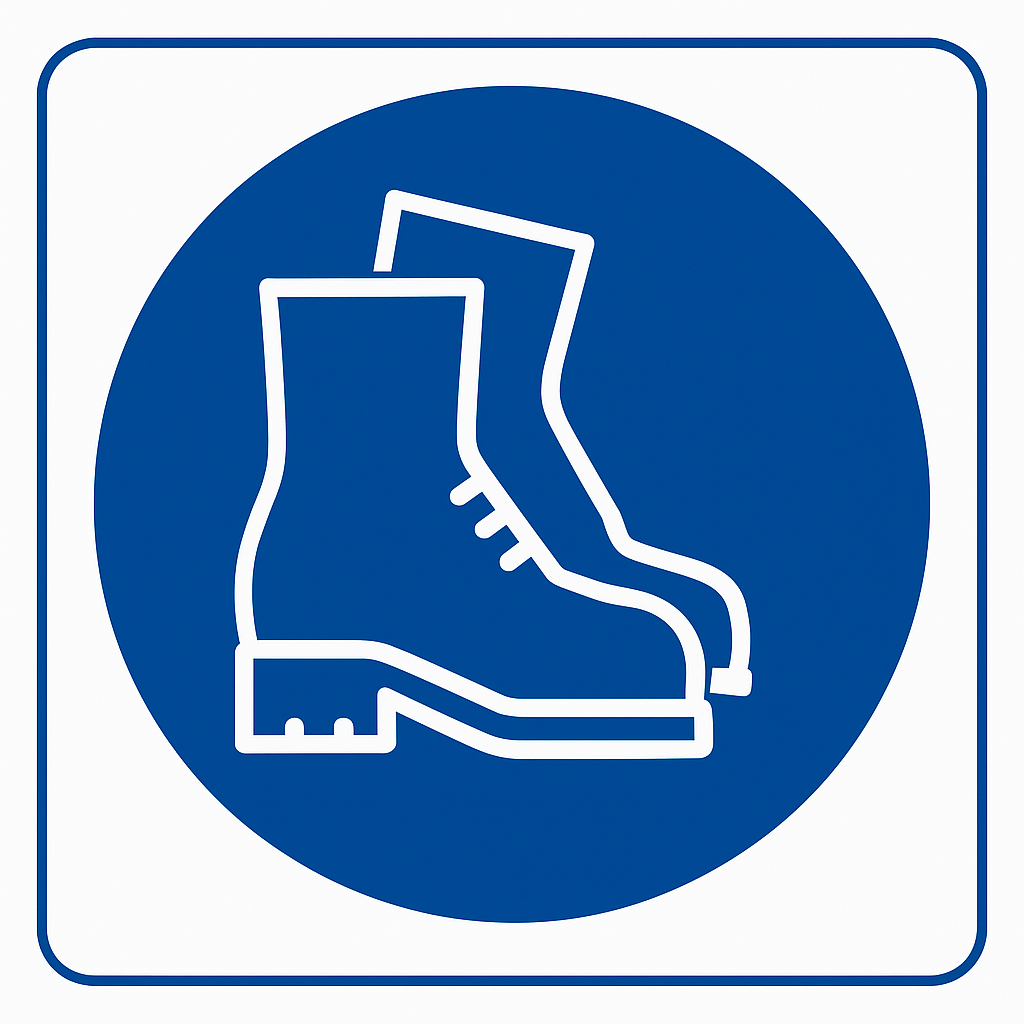
Safety Boots
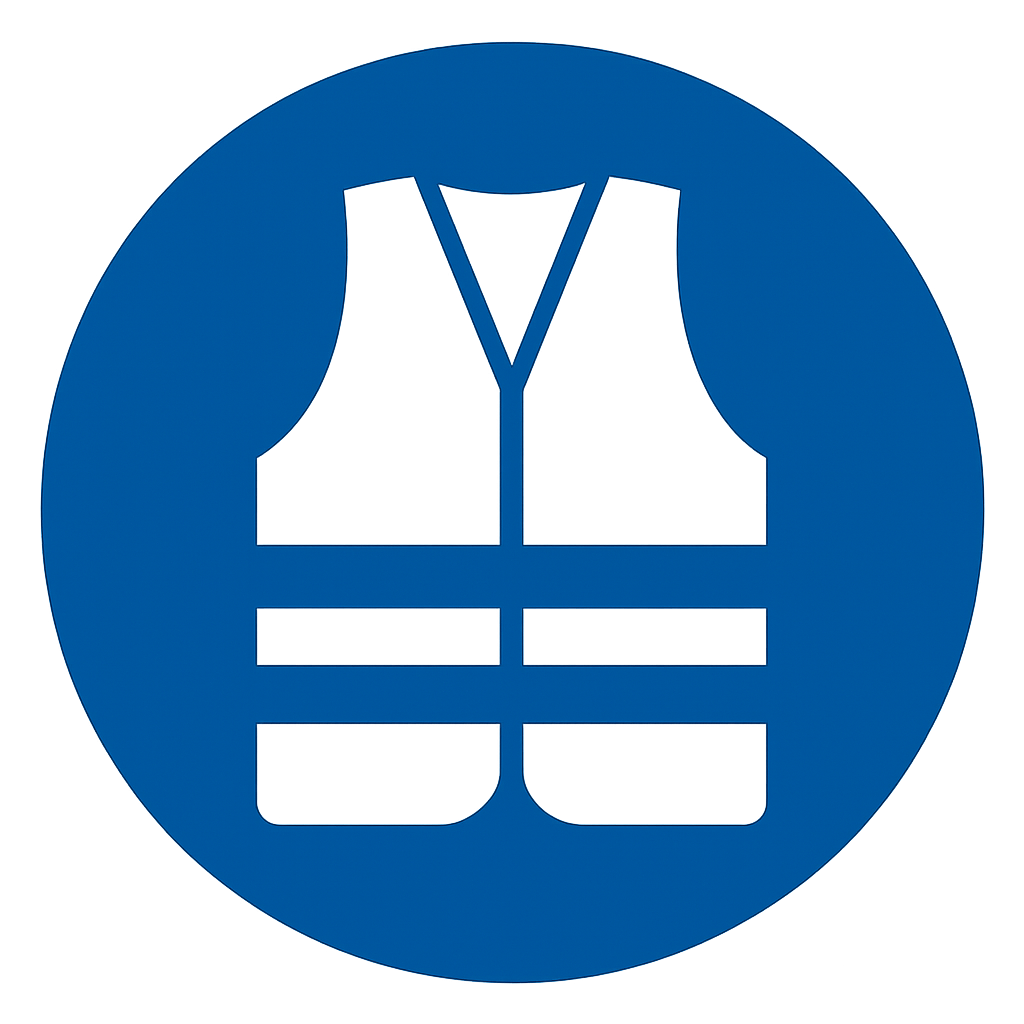
High-Visibility Vest
Safety Glasses
Role
Senior / Lead Plumber
PPE
Safety Helmet
Safety Boots
High-Visibility Vest
Safety Glasses
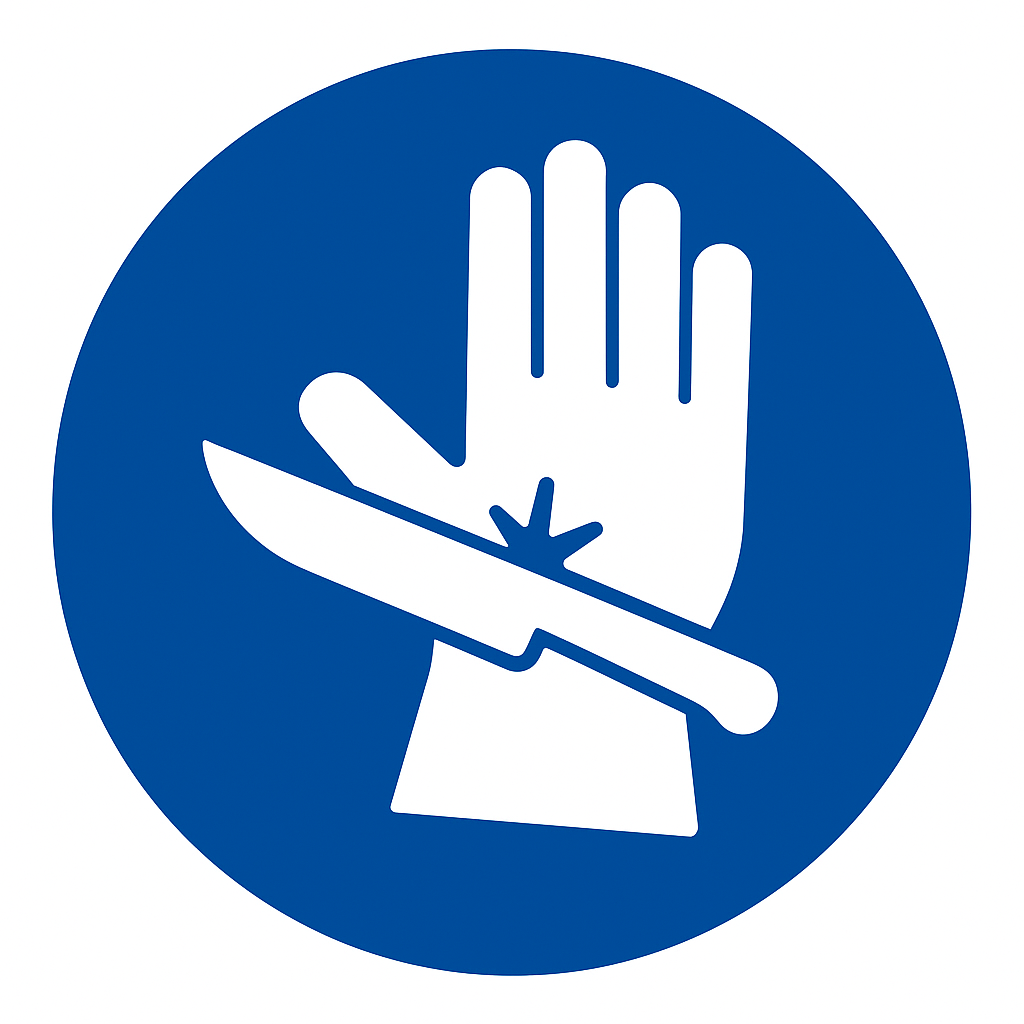
Cut-Resistant Gloves
Upload icon
Rpe (E.G., Ffp3 Mask)
Role
Plumber
PPE
Safety Helmet
Safety Boots
High-Visibility Vest
Safety Glasses
Chemical-Resistant Gloves
Cut-Resistant Gloves
Upload icon
Rpe (E.G., Ffp2/Ffp3 Mask)
Role
Junior Plumber
PPE
Safety Helmet
Safety Boots
High-Visibility Vest
Safety Glasses
Safety Gloves
Upload icon
Rpe (E.G., Ffp2 Mask)
Understanding responsible roles
Each role card brings together who is assigned, what competence they need, and what PPE they must wear for that role on this RAMS — not in separate spreadsheets or annexes.
Competence
Role-specific requirements — Each responsible role lists the training, qualifications, or experience needed to carry out that work safely (for example, working at height training or an NVQ in the trade).
Linked to live records — In DocRide, those requirements are checked against each assignee’s competence and certification records, not a one-off tick on a PDF.
Visible at assignment — When you assign someone to a role, you can see immediately whether their profile satisfies every listed requirement — before work starts on site.
PPE
Per-role protective equipment — The PPE panel shows what must be worn for that role on this activity (helmets, harnesses, gloves, and so on).
Clear visual reference — Standard items appear with recognised icons so workers and supervisors know exactly what is required without reading long equipment lists.
Part of the same record — PPE sits alongside competence and assignees in one role card, so the method statement, people, skills, and equipment stay aligned.
Avatar borders
Assigned users appear as avatars under each role. When competence requirements are defined for that role, DocRide adds a coloured border to show whether the assignee’s records match what the RAMS requires:
Green border — The assignee meets all competence requirements listed for that role. Their certifications and training records are in place for this RAMS.
Red border — One or more competence requirements are missing or not yet verified. The person is assigned to the role, but their profile does not yet fully satisfy what the RAMS specifies — action is needed before you can be confident they are ready for the work.
No coloured border — Either no competence requirements are set for that role, or competence checking does not apply in that context.
In DocRide, responsible roles are operational — assignees, competence gaps, and PPE travel with the live RAMS, so supervisors and approvers see readiness at a glance instead of chasing paper sign-offs.
4
Tangible Resources
Tools and equipment for this activity that can affect health and safety.
Equipment
Status
From linked asset
Cutting tools (e.g., saws, drills)
No status
Current status
Assets
Fire-rated sealants (compounds, collars, wraps)
No status
Current status
Assets
Caulking guns
No status
Current status
Assets
Trolleys or dollies
No status
Current status
Assets
Understanding tangible resources
Tangible resources are the tools, plant, and equipment used to carry out the work activity — items where wrong use, misuse, or poor maintenance could directly affect health and safety. DocRide lists them on the RAMS so they are assessed and managed alongside hazards, roles, and controls — not forgotten in a separate asset register.
What each column shows
Equipment — The tool or item recorded for this activity (for example, scaffolding, a harness, or a ladder). When linked to an asset in DocRide, you see the live asset reference here too.
Risk — How significant the equipment is from a use, misuse, and upkeep perspective — whether wrong use or lack of maintenance could contribute to harm (typically rated Low, Medium, or High).
Maintenance — The likelihood that the equipment could cause a safety or health issue, based on maintenance history and scoring where assets are linked.
Status — Serviceability pulled from the linked asset: calibration due dates, maintenance status, and whether the item is fit for use.
Risk Owner — Who the linked asset is issued to, so accountability for that piece of equipment is visible on the RAMS.
Why it matters on a live RAMS
Connects paperwork to real kit — Equipment lines on the RAMS can be linked to assets in your system, so status and ownership update when the asset record changes.
Supports readiness checks — Tangible resources are one of the four readiness indicators on the RAMS hero: all listed equipment should have assets attached before the assessment is considered complete.
Closes a common gap — Many RAMS mention tools in passing but do not track whether the right equipment is maintained, assigned, and safe to use. DocRide keeps that visible in one place.
In DocRide, tangible resources are part of the operational RAMS — not a static equipment list — so supervisors see which tools matter for this activity and whether linked assets are in a safe state before work goes ahead.
Turn RAMS into a live safety system
Stop managing static documents. Build RAMS connected to real work, inspections, and continual improvement — in minutes, not days.
We use essential cookies for security and login. With your permission, we use Google Analytics to improve DocRide.
We do not set analytics cookies unless you choose Accept analytics.
Read our Cookie Policy.